
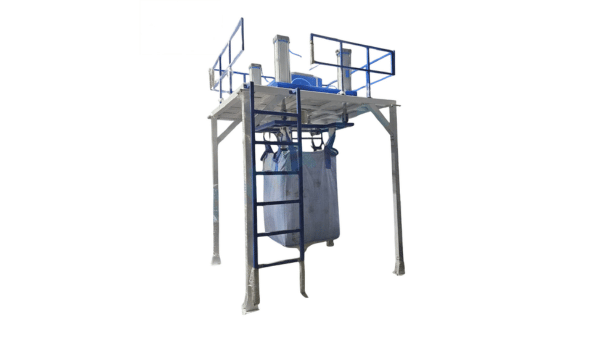
Jumbo Bag Filling Machine Manufacturer
In the realm of bulk material handling, the efficient and accurate filling of large-capacity containers is paramount. Jumbo bags, also known as Flexible Intermediate Bulk Containers (FIBCs), are widely used for transporting and storing powders, granules, and other bulk materials. A specialized Jumbo Bag Filling Machine Manufacturer plays a critical role in providing the automated solutions that streamline this process, ensuring speed, accuracy, and safety.
These machines are engineered to handle diverse materials, from fine powders to coarse aggregates, and are essential for industries such as agriculture, chemicals, food processing, and construction. Understanding the capabilities and selection criteria for these machines is crucial for businesses aiming to enhance their operational efficiency and product integrity.
Understanding Jumbo Bag Filling Machines
A jumbo bag filling machine is an industrial equipment designed to fill Flexible Intermediate Bulk Containers (FIBCs) with bulk materials. These machines automate the weighing, filling, and sealing process, significantly reducing manual labor, minimizing material spillage, and ensuring precise fill weights. The primary function is to load large quantities of product into FIBCs efficiently and safely.
The complexity and features of these machines can vary widely, from basic gravity-fed units to highly sophisticated systems with integrated weighing scales, dust collection, vibration densification, and automatic bag handling. The core objective remains consistent: to provide a reliable and high-throughput solution for packaging bulk goods.
Diverse Applications Across Industries
The versatility of jumbo bag filling machines makes them indispensable across a wide spectrum of industries. Their ability to handle various material types and fill large volumes quickly addresses specific operational needs:
Agriculture
Filling FIBCs with grains, fertilizers, animal feed, seeds, and other agricultural products. Ensuring consistent weight for bagged commodities.
Chemicals
Handling powdered chemicals, pigments, resins, plastic pellets, and other chemical compounds. Requires machines with features to manage hazardous or dusty materials safely.
Food Processing
Filling food ingredients like flour, sugar, salt, coffee beans, dried fruits, and spices. Requires food-grade construction and easy-to-clean designs.
Construction & Mining
Packaging cement, sand, gravel, aggregates, ores, and minerals. Machines need to be robust to handle abrasive and heavy materials.
Recycling
Filling FIBCs with recycled plastics, scrap materials, or other processed waste for transport and further processing.
Key Benefits of Using Automated Jumbo Bag Fillers
Implementing an automated jumbo bag filling machine offers significant advantages for businesses looking to optimize their packaging operations:
- Increased Efficiency & Throughput: Automation drastically speeds up the filling process compared to manual methods, allowing more bags to be filled in less time.
- Enhanced Accuracy: Integrated weighing systems ensure precise fill weights for every bag, reducing product giveaway and meeting customer specifications.
- Reduced Labor Costs: Automation minimizes the need for manual intervention, freeing up personnel for other critical tasks and lowering labor expenses.
- Improved Safety: Machines reduce manual handling of heavy bags and can incorporate dust suppression systems, creating a safer working environment for operators.
- Product Integrity: Consistent filling and secure sealing protect products from contamination, moisture, and damage during transit and storage.
- Versatility: Modern machines can handle a wide range of bulk materials with varying flow characteristics, densities, and particle sizes.
Choosing the Right Jumbo Bag Filling Machine
Selecting the appropriate jumbo bag filling machine requires careful consideration of several factors to ensure it aligns with your specific operational needs and material characteristics. A reputable Jumbo Bag Filling Machine Manufacturer will guide you through this process.
Essential Features to Consider:
- Material Type & Flowability: Is the material a powder, granule, flake, or pellet? Does it flow freely or is it cohesive? This dictates the filling mechanism (gravity, belt, auger, vibratory).
- Weighing System Precision: Look for accurate and reliable weighing systems (e.g., load cells) that meet your tolerance requirements.
- Filling Speed & Capacity: Determine the number of bags per hour or shift you need to produce.
- Bag Handling: Does the system need to automatically position, fill, and release bags, or will operators manually place them? Features like bag inflation and neck sealing can be important.
- Dust Control: For dusty materials, effective dust collection hoods and sealing mechanisms are vital for operator safety and a clean environment.
- Densitification: For fine powders or cohesive materials, vibration or other densification methods can maximize bag fill volume and stability.
- Automation Level: Decide on the degree of automation required, from semi-automatic to fully automatic systems.
- Construction & Durability: Consider the materials of construction, especially if handling corrosive or abrasive products. Robust design ensures longevity.
- Ease of Operation & Maintenance: The machine should be user-friendly with accessible components for cleaning and maintenance.
Engaging with an experienced Jumbo Bag Filling Machine Manufacturer is key. They can assess your material properties, production targets, and facility constraints to recommend the most suitable configuration.
Ensuring Quality and Performance
When investing in a jumbo bag filling machine, it's crucial to ensure its quality and performance meet industry standards. A reputable manufacturer will subject their equipment to rigorous testing.
Buyer Insight: Always ask about the manufacturer's testing procedures for accuracy, repeatability, and durability. Requesting factory acceptance testing (FAT) can provide confidence before shipment.
Key aspects to look for include the reliability of the weighing system, the robustness of the filling mechanism, the effectiveness of sealing, and the overall build quality. Ensure the machine is designed for your specific material characteristics to prevent bridging, clogging, or overfilling.
Samirika Industries Pvt. Ltd: Your Partner in Bulk Bag Filling
Samirika Industries Pvt. Ltd. is dedicated to providing efficient and reliable industrial machinery solutions. As a focused Jumbo Bag Filling Machine Manufacturer, we understand the critical role these systems play in optimizing production lines across various sectors. Our commitment is to deliver robust, accurate, and user-friendly equipment tailored to meet the evolving demands of bulk material handling.
We focus on engineering solutions that enhance operational efficiency, ensure product quality, and prioritize safety. By collaborating closely with our clients, we aim to deliver filling machines that integrate seamlessly into their existing processes, offering tangible improvements in productivity and cost-effectiveness. Our expertise extends to understanding diverse material challenges, enabling us to propose suitable configurations for your unique application.
Frequently Asked Questions
What is a jumbo bag filling machine?
A jumbo bag filling machine is an automated system designed to fill large industrial bags, known as FIBCs or jumbo bags, with bulk materials like powders, granules, and pellets. It typically includes weighing, filling, and sometimes bag sealing functions to improve efficiency and accuracy.
What types of materials can be filled using these machines?
These machines are versatile and can fill a wide range of materials including agricultural products (grains, fertilizers), chemicals (powders, pellets), food ingredients (flour, sugar), construction materials (cement, sand), and more, provided the machine is configured appropriately for the material's flow characteristics and density.
How important is dust control in a jumbo bag filling machine?
Dust control is very important, especially when filling fine powders or hazardous chemicals. Effective dust collection systems minimize airborne particles, protecting operator health, maintaining a clean workspace, and preventing material loss.
What is the difference between gravity, auger, and vibratory filling?
Gravity filling is suitable for free-flowing granules. Auger filling uses a screw mechanism for powders and cohesive materials. Vibratory filling uses controlled vibrations to assist material flow, useful for powders and some granules, often providing good accuracy and density.
Can these machines handle different bag sizes?
Many modern jumbo bag filling machines are designed to accommodate a range of FIBC sizes within certain parameters. Adjustability for different bag dimensions is a common feature, but specific capabilities should be confirmed with the manufacturer.
Ready to Optimize Your Bulk Filling Operations?
Enhance your material handling efficiency and accuracy with a state-of-the-art jumbo bag filling machine. Connect with the experts at Samirika Industries Pvt. Ltd. to discuss your specific requirements and discover how our tailored solutions can benefit your business. We are committed to providing reliable equipment and excellent support to ensure your production goals are met.
Request a Consultation