

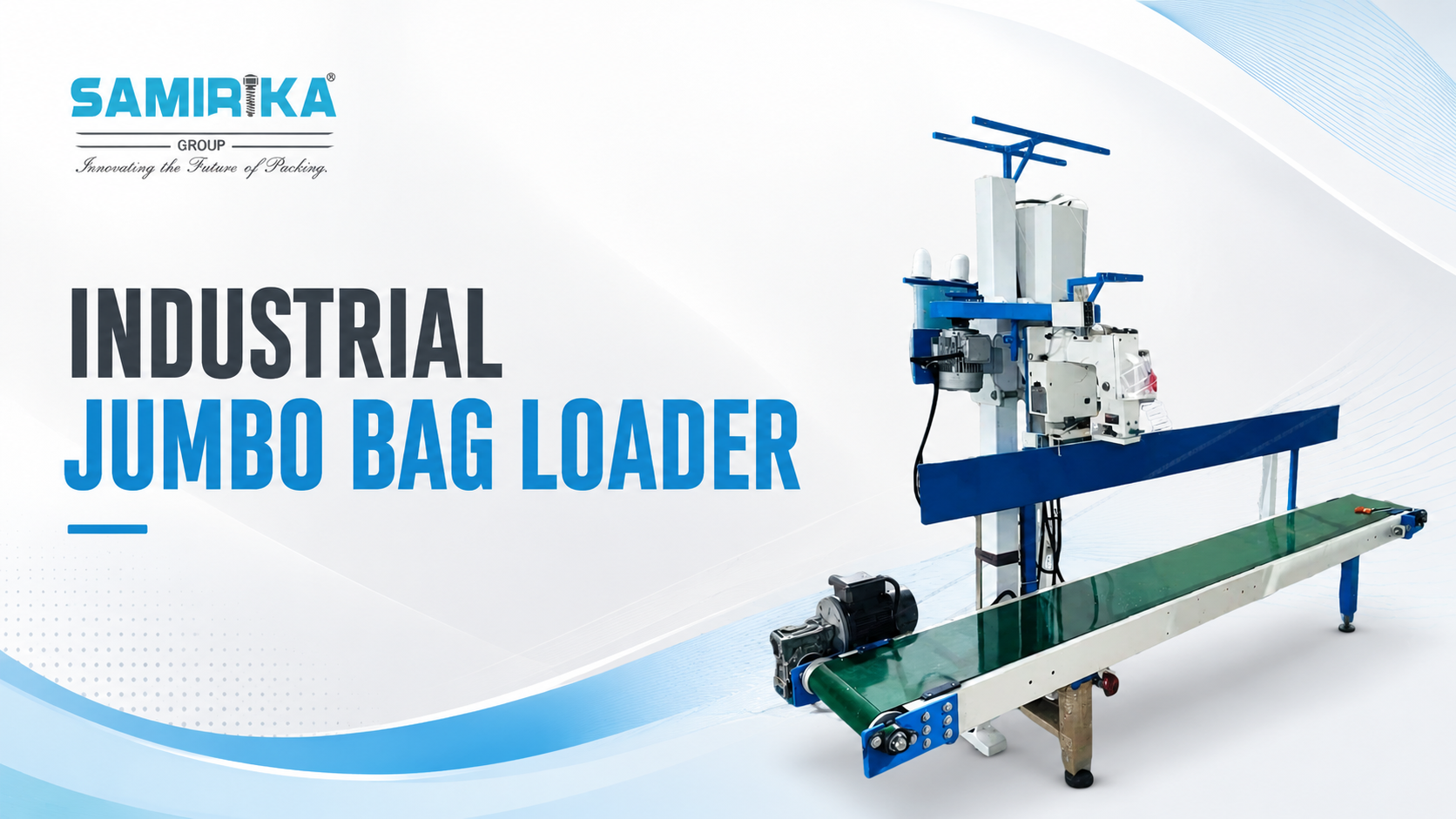
Industrial Jumbo Bag Loader
Optimize your warehouse operations with a high-capacity industrial jumbo bag loader from Samirika Industries in Ahmedabad. Built for efficiency and durability.
Why This Matters in Ahmedabad
Ahmedabad has rapidly evolved into a central hub for manufacturing, chemical processing, and agricultural exports. With the growth of industrial zones like Bakrol-Bujrang, the demand for sophisticated material handling infrastructure has never been higher. Local businesses are increasingly moving away from manual loading methods to avoid the risks of workplace injuries and to keep up with the fast-paced requirements of modern logistics. Implementing a reliable industrial jumbo bag loader allows local manufacturers to scale their operations, meet tighter shipping deadlines, and maintain a competitive edge in a region where industrial efficiency is a primary driver of growth.
What Is an Industrial Jumbo Bag Loader — Overview
An industrial jumbo bag loader is a specialized conveyor system engineered to handle large, heavy-duty bags, often referred to as FIBCs (Flexible Intermediate Bulk Containers). Unlike standard belt conveyors, these systems are designed with the structural integrity required to support the significant weight and unique dimensions of jumbo bags. They typically feature a reinforced frame and a high-torque drive mechanism that ensures smooth, continuous movement from the loading dock to the truck bed. By integrating these systems, warehouses can bridge the gap between floor-level storage and elevated transport platforms, effectively eliminating the need for constant forklift intervention during the final loading phase.
Key Features and Technical Specifications
Reinforced steel chassis designed to withstand the high-impact loading of heavy bulk bags.
High-friction belt surface or heavy-duty roller configuration to prevent bag slippage during incline.
Adjustable inclination angles to accommodate various truck bed heights and loading dock configurations.
Precision-engineered drive motors that provide consistent torque for heavy-load operations.
Variable frequency drives (VFD) for precise speed control, allowing operators to match the conveyor pace to the loading workflow.
Modular design components that facilitate easier maintenance and part replacement.
Integrated safety features, including emergency stop buttons and side guide rails to keep bags centered.
Industrial Applications and Use Cases
Chemical processing plants requiring the safe transport of powdered or granular raw materials.
Agricultural facilities managing bulk grain, seeds, or fertilizer in large-format packaging.
Animal feed production lines where high-volume, consistent bag movement is essential.
Polymer and plastic manufacturing units handling resin pellets in bulk containers.
Mineral and fuel processing sectors where heavy, abrasive materials are stored in jumbo bags.
How to Choose the Right Industrial Jumbo Bag Loader
Selecting the appropriate equipment requires a clear understanding of your facility’s specific operational constraints. Before making a decision, consider the following factors to ensure the system integrates seamlessly into your existing workflow:
- Load Capacity: Verify the maximum weight of your filled jumbo bags to ensure the conveyor motor and frame are rated for the load.
- Incline Requirements: Measure the height difference between your warehouse floor and the average truck bed to determine the necessary conveyor length and angle.
- Space Constraints: Assess the available floor space in your loading bay to choose between fixed or mobile, modular conveyor designs.
- Material Characteristics: Consider the texture and stability of the bags, as this dictates whether a belt or roller-based system is more effective.
- Supplier Support: Prioritize manufacturers who offer comprehensive after-sales support, including spare parts availability and technical maintenance guidance.
Quality Standards and Compliance
Quality assurance is non-negotiable when dealing with heavy industrial machinery. A reliable industrial jumbo bag loader should be manufactured in accordance with recognized engineering standards that govern structural stability and electrical safety. Buyers should look for equipment that adheres to relevant IS (Indian Standards) or international equivalents for motor efficiency and material durability. Ensuring that the manufacturer follows rigorous quality control protocols during fabrication—such as weld inspection and load testing—is essential for long-term operational safety and compliance with factory safety regulations.
Why Company Experience and Capability Matters
The effectiveness of a conveyor system is largely determined by the engineering expertise behind its design. At Samirika Industries, the focus remains on understanding the unique challenges of industrial material handling through years of hands-on manufacturing experience. A capable manufacturer does not just provide a product; they provide a solution tailored to the specific layout and material flow of your facility. This involves precision fabrication, the use of high-grade industrial components, and a deep understanding of how to balance speed with safety. When you work with an experienced team, you gain the benefit of proven designs that minimize downtime and maximize the return on your capital investment.
Installation, Maintenance and Care Tips
Proper installation is the first step toward ensuring the longevity of your conveyor system. Ensure the unit is placed on a level, stable surface to prevent vibration-induced wear. Regular maintenance schedules are equally important for keeping the system running at peak performance.
- Routine Inspection: Check the belt tension and roller alignment weekly to prevent uneven wear and potential motor strain.
- Lubrication: Keep all moving parts, including bearings and drive chains, properly lubricated according to the manufacturer’s specifications.
- Cleaning: Remove dust and debris from the conveyor frame and drive area to prevent buildup that could interfere with mechanical components.
- Electrical Checks: Periodically inspect wiring and control panels for signs of heat or loose connections to avoid unexpected electrical failures.
Frequently Asked Questions
The primary advantage is the reduction in operational costs and increased safety. Forklifts require a dedicated operator for every trip, whereas a conveyor system creates a continuous flow of material. This reduces the risk of accidents associated with heavy machinery moving in tight loading bays and significantly lowers the fuel or electricity costs associated with constant forklift operation.
Yes, most industrial jumbo bag loaders are designed with adjustable height and inclination features. This flexibility allows the conveyor to be raised or lowered to meet the specific floor level of various transport vehicles, from small delivery trucks to large shipping containers, ensuring a smooth transition of materials without manual lifting or excessive tilting.
The motor power is determined by the total weight of the bags, the speed at which you need to move them, and the angle of the incline. A professional manufacturer will calculate these variables based on your specific throughput requirements. It is important to choose a motor that provides enough torque to start under a full load without overheating or stalling.
While many conveyors are built for indoor warehouse environments, they can be adapted for outdoor use with specific modifications. This includes weather-resistant finishes, sealed electrical components, and protective covers for the motor and drive system. If your loading area is exposed to the elements, it is essential to discuss these environmental factors with the manufacturer during the design phase.
Safety is paramount in any industrial setting. You should look for systems equipped with emergency stop buttons at both ends of the conveyor, side guards to prevent bags from falling off, and thermal overload protection for the motor. Additionally, ensure that all moving parts are shielded to prevent accidental contact by operators working in the vicinity of the equipment.
The lifespan of these components depends on the frequency of use and the nature of the materials being handled. Under normal operating conditions with regular maintenance, high-quality belts and rollers can last for several years. Signs that replacement is needed include visible fraying on the belt, unusual noise from the rollers, or a noticeable decrease in the stability of the bags during transport.
Conclusion
Investing in an industrial jumbo bag loader is a strategic move for any facility aiming to optimize its logistics and material handling processes. By focusing on equipment that offers robust construction, adjustable functionality, and reliable performance, businesses in Ahmedabad and beyond can significantly improve their operational efficiency. When selecting your system, prioritize manufacturers who demonstrate technical expertise and a commitment to quality. A well-maintained conveyor system not only streamlines your daily tasks but also creates a safer, more productive environment for your entire workforce.
Get In Touch
Samirika Industries Pvt. Ltd.